


 HOME
HOME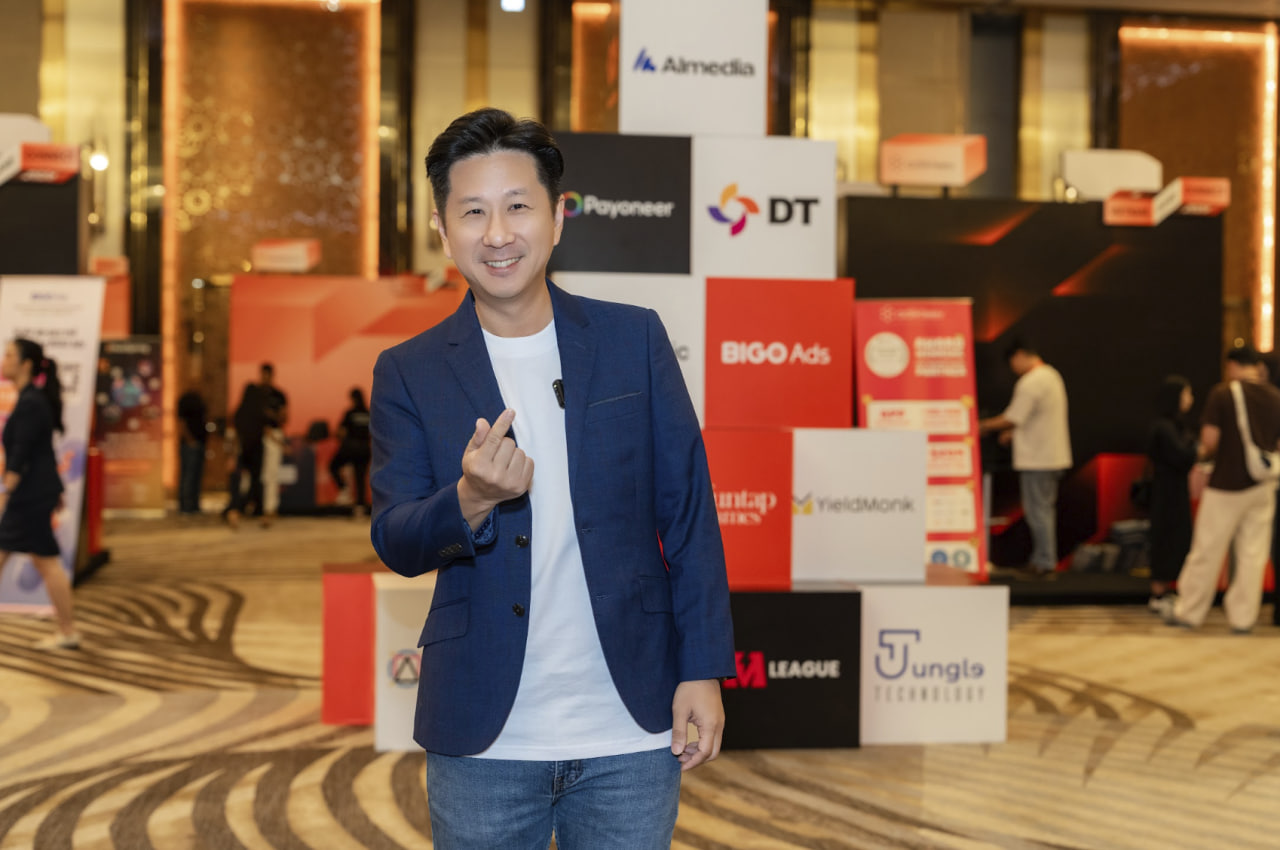 By
By 
As competition for mobile users becomes increasingly intense, game publishers are being pushed to rethink two questions at the same time: how do we reach more players, and how do we monetize them without losing control of the user experience?
For Digital Turbine (DT), the answer increasingly lies in looking beyond individual UA or monetization channels and treating the mobile ecosystem as one connected journey — from getting an app onto a device, to acquiring users, engaging them and ultimately monetizing them.
At Vietnam Game Connect 2026, GameGeek sat down with two Digital Turbine leaders to explore that shift from different sides of the business.
Seayen Ong, APAC Regional Vice President of Sales at Digital Turbine, shared his perspective on why Vietnamese studios are beginning to look beyond traditional UA channels, why on-device distribution could become a new growth lever, and why scale does not necessarily have to come at the expense of control.
Meanwhile, Helen Chen, APAC Business Development at Digital Turbine, looked at the other side of the equation: the rise of hybrid monetization, the importance of choosing the right demand sources, and why the monetization conversation should be less about “more ads or fewer ads” and more about the right ads for the right users.
Together, their conversations painted a picture of a Vietnamese game industry that is moving quickly, experimenting more widely and becoming increasingly sophisticated in the way it approaches global growth.
Seayen Ong: Vietnam’s next growth opportunity may begin before the user even opens the app
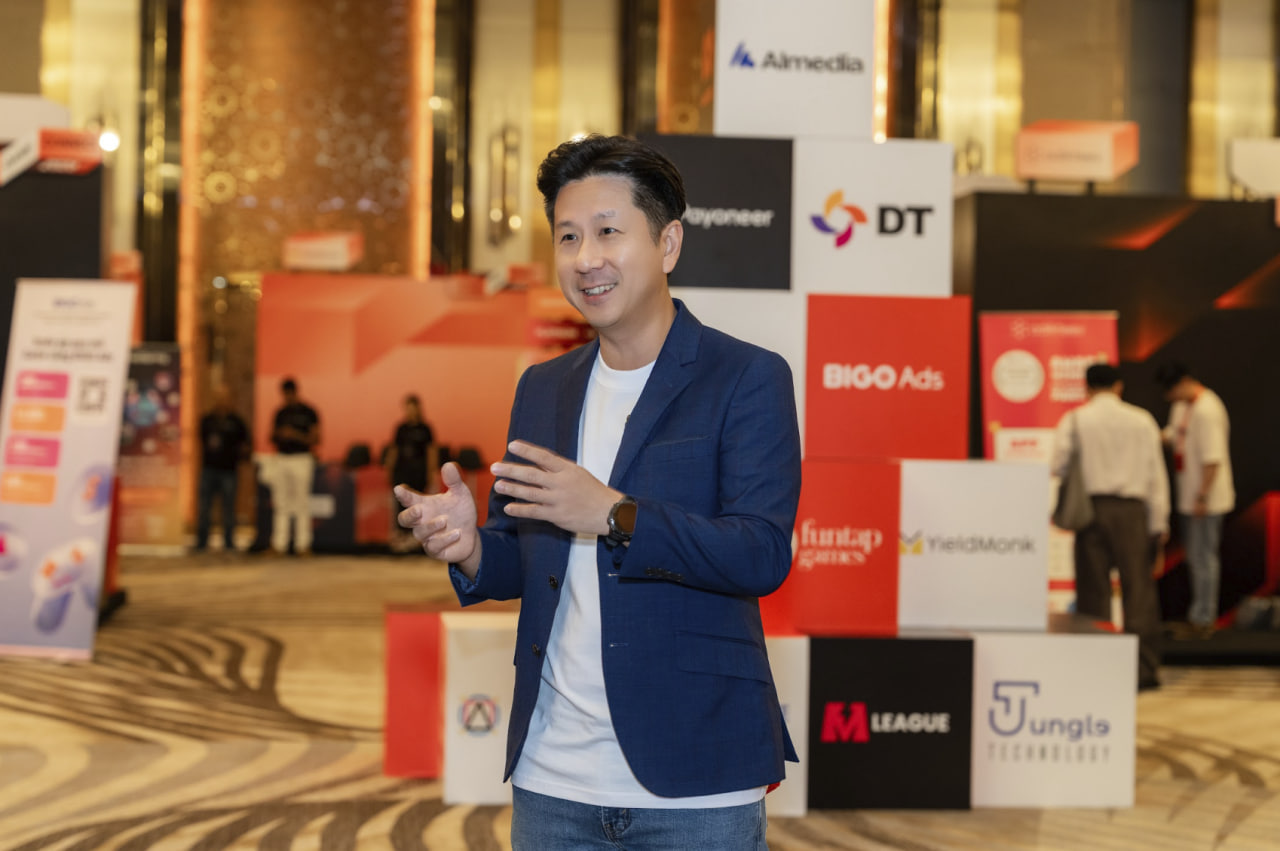
Before joining Digital Turbine, Seayen Ong spent several years at TikTok, including time working directly with its app and gaming business in Vietnam.
That experience gave him an unusually close view of the local ecosystem — and eventually became part of the reason he chose to move deeper into the mobile gaming industry.
You spent years building TikTok’s commercial business right here in Vietnam before joining DT. Why DT, and why now?
I spent several years at TikTok, and during my last year there I had the privilege of taking over the app and gaming business.
That was when I really started to see how vibrant and global this ecosystem is, and to understand more of its full potential.
When Digital Turbine reached out, it immediately made sense to me. DT is a global company with a strong footprint across the mobile ecosystem, all the way from distribution to monetization.
For me, it was an opportunity to become much more involved in this industry and understand the ecosystem from end to end.
“Vietnam entrepreneurs and businesses are highly innovative”
What’s the biggest shift you’ve seen in how Vietnamese studios approach growth in the last two years?
Vietnamese entrepreneurs and businesses are very innovative. That is something I experienced personally while working here.
In gaming, I think publishers and developers are starting to look beyond what they have learned in the past.
Previously, many studios relied on a few key User Acquisition channels. Today, they are much more willing to explore different options.
They understand that they should never stop iterating and never stop improving.
I think that is where Vietnam has an advantage, because it is a very entrepreneurial and innovative market.
From winning an auction to being on the device first
You’ve run commercial strategy across markets at very different stages of maturity. What UA pattern shows up everywhere, regardless of how developed the market is?
Whether you are in the US, Europe or Asia-Pacific, a lot of partnerships with the large channels work in a very similar way.
It is about winning the audience and winning the auction.
Vietnamese developers are also starting to recognize the limitations of that model.
I think the companies that can move faster are the ones that begin opening up their mindset and exploring other options.
One area that many developers and publishers have not fully explored yet is distribution — for example, having an app preloaded onto a device through the solutions DT offers.
If the app is already on the user’s phone, that gives you a completely different starting point compared with competing for that same user in an increasingly crowded network.
Competition today is extremely intense, so I believe one of the shifts we are seeing is toward alternative distribution opportunities: being on the device first instead of only chasing audiences afterwards.
Publishers that have started embracing those options can potentially create compounding growth, while those relying only on the old model risk stagnating.
“We are the entire flywheel of the mobile ecosystem”
For a Vietnamese studio trying to grow installs and revenue at the same time, what does DT actually do for them?
DT is not just a monetization platform, and we are not just a growth platform.
We are a combination of those things — we operate across the mobile ecosystem.
As a company that has been around for almost 30 years, we can help developers distribute their apps through exclusive preload opportunities with OEM and carrier platforms.
We can then help them monetize on-device through our network, as well as provide monetization solutions across different ad formats, from video and display to OfferWall.
So we can work with an owner, publisher or developer across the journey rather than focusing on only one individual part of it.
“You can have both scale and control”
If one Vietnamese founder remembers a single thing from this conversation, what should it be?
I think founders today need to look beyond simply asking about scale or monetization.
They should be asking how they can maintain more control.
You can have both scale and control.
Working with a partner such as DT, you can distribute, monetize and grow while still retaining your data and learning from different platforms around the world.
Vietnam is already a very strong market, and I believe a lot of new creation is going to come from here.
The next question is not only how Vietnamese developers can innovate on what already exists. It is how Vietnam can create something new that eventually the West starts to follow.
Having a partner that operates across the wider ecosystem can help studios gain those learnings as we grow together.
Helen Chen: Monetization is shifting toward hybrid models — but user experience still comes first
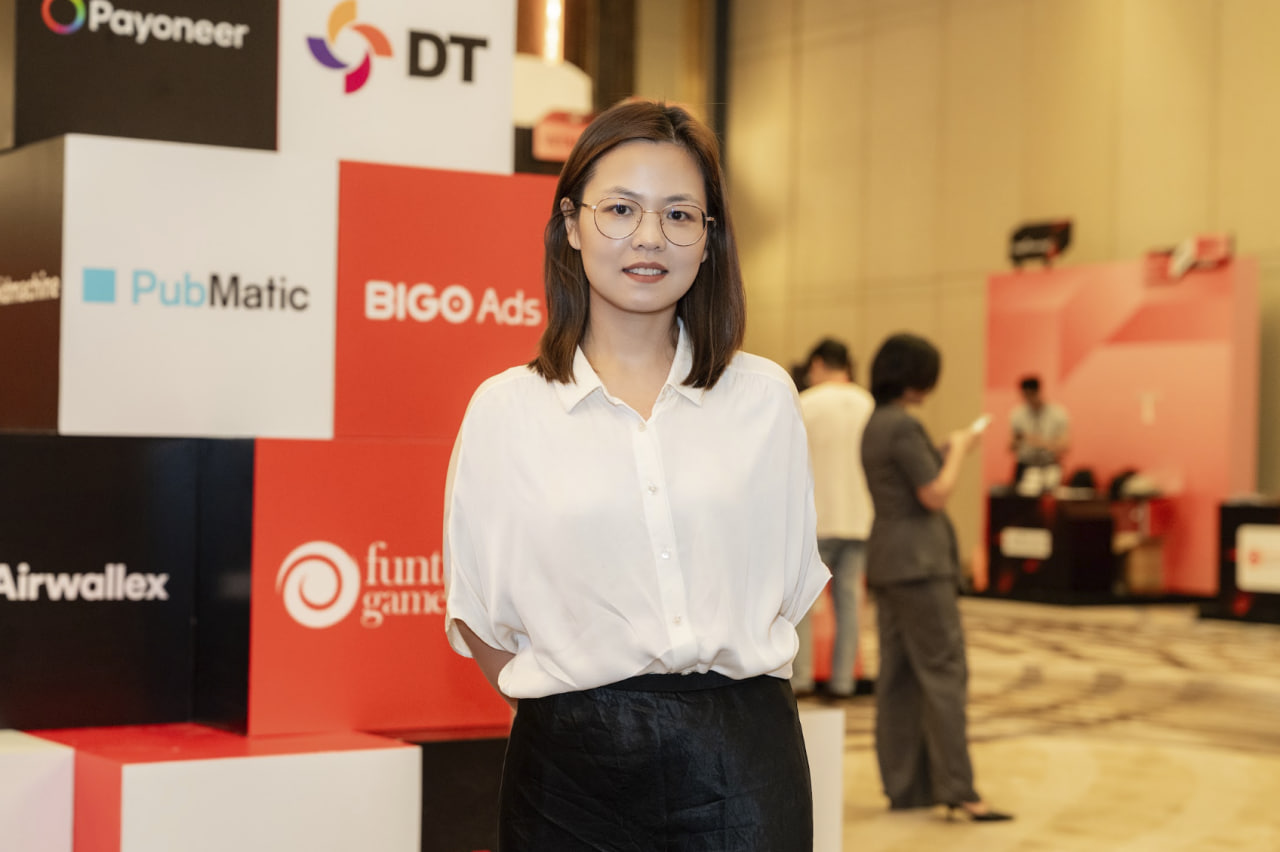
What’s the one thing about VGC 2026 that surprised you or stood out after walking in?
This is my first time joining VGC, and I have been very impressed.
For me, VGC is not simply a trade show. It is a meaningful opportunity for publishers and different players across the market to come together and discuss the direction of the mobile advertising industry.
Vietnam is an important market for us across both User Acquisition and Monetization, so it is fantastic to see so much of the ecosystem gathered in one place.
What stands out to you the most about the local game development and publishing market here?
The first thing is how incredibly fast Vietnamese publishers are growing.
When we look at global rankings, we can already see many Vietnamese game publishers appearing near the top.
The second thing is their focus on the product itself. They are developing increasingly high-quality games that are able to compete globally.
We also find the teams we speak with here highly professional, whether the conversation is about UA or Monetization.
And importantly, they care about their users. They pay close attention to creatives and demand sources and are constantly thinking about how to make their games more user-friendly.
From DT’s perspective, that aligns closely with how we see the mobile ecosystem. We are not focused on only one pillar. We want to provide value across Distribution, User Acquisition and Monetization, and support app developers from the moment they launch.
Hybrid monetization is becoming the new normal
What’s the one theme you keep hearing about monetization?
The word I have been hearing most is hybrid monetization.
Vietnam has traditionally had many strong hypercasual publishers, but over the last year or two we have seen more of them exploring hybrid models.
Hypercasual and casual publishers are looking for ways to increase the share of IAP in their businesses.
At the same time, publishers that traditionally depended more heavily on IAP are starting to introduce advertising into their games.
So the two models are increasingly moving toward each other.
Vietnamese publishers are also paying much more attention to their users. They are mixing different demand sources and trying to build monetization strategies that can generate revenue without unnecessarily increasing churn.
“It’s not about more ads or fewer ads”
Studios worry that more ads mean more churn. How should they think about that trade-off?
I do not think it is really about more ads or fewer ads.
It is about showing the right ads to the right users.
One important thing publishers need to consider is where their monetization demand is coming from.
For example, if all of a gaming publisher’s demand comes from other gaming networks, then potentially your competitors are bidding inside your own app. That creates a possibility that users leave your game for another one.
The other factor is how networks actually render ads through their SDKs.
We hear feedback from publishers about aggressive advertising experiences — for example, misleading close buttons or full-screen clickable ads.
Those experiences can directly affect the user.
So when choosing monetization partners, publishers should look not only at revenue but also at demand quality and the way the ad is delivered.
At DT, our monetization solutions combine performance and brand demand, which can help balance revenue with user retention. We also pay close attention to rendering ads in a user-friendly way.
Diversification matters on both UA and monetization
What’s a monetization mistake you still see studios making in 2026?
I would not necessarily call it a mistake, because Vietnamese studios are already very experienced in monetization.
But I would give them two suggestions.
The first is to reduce dependency on a single player or network.
That applies to both UA and Monetization. Try to allocate your budget, inventory and users across different partners instead of becoming too dependent on one source.
The second is to communicate more with those networks and partners.
They can provide additional insights that help with both UA and Monetization optimization.
Why OfferWall may still be underused
What’s the one monetization format most studios are underusing right now?
I think OfferWall is worth exploring, especially for hybrid publishers or games with a higher IAP ratio.
It can be a very user-driven format, because users choose whether and how they want to engage with the offers.
It can also work well alongside rewarded video and help publishers maximize the value of their ad-supported users.
So for studios that are already using the more common formats, OfferWall could be an interesting next area to test.
Keep growing, keep testing, keep talking
Based on what you saw today, what’s your advice to a studio that wants to level up monetization in the next six months?
First, keep the growth momentum.
Vietnamese publishers are already performing strongly on the global stage, across hypercasual, casual and particularly puzzle games.
Second, keep trying new things.
Experiment with new features from networks, run A/B tests with new partners, explore new monetization opportunities and diversify your UA channels.
And finally, continue communicating with your partners.
Vietnamese teams are already very professional, but regular conversations with networks can still bring new insights that improve day-to-day optimization.